
Politics
“Thank You For Voting The Opposition, Now They’re Earning Free Salaries in Parliament, You Saved Them From Poverty,” Says Museveni

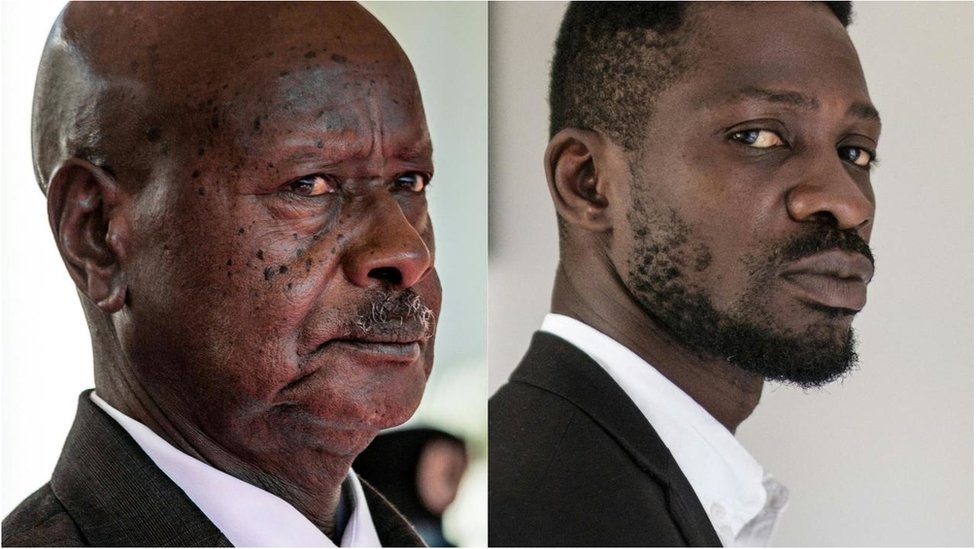
President Yoweri Museveni has ignited fresh political debate after delivering a speech filled with sarcasm and sharp criticism aimed at Ugandans who voted for opposition candidates in recent elections. Speaking to residents of Kasanje and Entebbe, the President mocked the choice of voters who, in his view, brought no real change to their communities.

“You people of Kasanje voted for opposition leaders. I hear even here in Entebbe, you did the same,” Museveni said with a chuckle. “Thank you for voting them. Now they are enjoying in Parliament, earning free salaries. You lifted them out of poverty.”
Though said with humor, his message was serious. Museveni questioned whether electing opposition leaders had actually improved the lives of the voters. “Ask yourselves—what have they done for you? Are your roads fixed? Are your hospitals working? Do your children have jobs?” he asked.
His comments sparked strong reactions from both critics and supporters.
Lydia Nakato, a market vendor in Entebbe, felt insulted by the remarks. “We voted for change because the leaders we had before were doing nothing. Now he mocks us? That’s not fair,” she said.
A resident of Kasanje shared a similar view. “We’re struggling with bad roads, no clean water, and unemployment. If opposition leaders can speak for us, why shouldn’t we vote for them?” he said.
But some supporters of the ruling NRM party defended the President. David Mugisha, a youth leader from the party, explained, “The President is not angry. He’s reminding people to vote wisely. Some leaders just make noise in Parliament but don’t deliver anything.”
Museveni also warned voters to be careful with politicians who only talk but don’t take action. “You need leaders who work hard—not those who only shout in Parliament and collect salaries,” he said.

With elections drawing closer, Museveni’s remarks have stirred meaningful conversations—especially among young voters—about leadership, accountability, and what kind of representation truly brings development.
While the President’s sarcasm may have struck a nerve, it has also reignited questions about whether elected leaders, regardless of political party, are doing enough to serve the people who put them in office.


When Your Heart Fears Rejection, The Sacred Wound Behind Social Anxiety
If you feel like everyone else got a manual for social connection that you never received, your sensitive soul might...


9 Quiet Heartbreaks That Make Women Walk Away
You didn’t wake up one morning and decide to leave. It wasn’t one explosive argument or a single betrayal that...


Why Being Ghosted Hurts So Much (And How to Heal Your Heart)
You know that hollow feeling when someone you cared about just… disappears. No goodbye, no explanation, not even the courtesy...


The Slow Fade: 5 Early Signs Someone Is Slowly Leaving You
You know that feeling when something shifts, but you can’t quite name it? When your partner is still there physically,...


You’re Still Heartbroken (Even If You Say You’re Fine)
You scroll past their name in your contacts at 2 AM. You say “I’m good” when your best friend asks...


Why Being Ghosted Hurts So Much (And How to Heal Your Heart)
You know that hollow feeling when someone you cared about just… disappears. No goodbye, no explanation, not even the courtesy...
The Slow Fade: 5 Early Signs Someone Is Slowly Leaving You
You know that feeling when something shifts, but you can’t quite name it? When your partner is still there physically,...


You’re Still Heartbroken (Even If You Say You’re Fine)
You scroll past their name in your contacts at 2 AM. You say “I’m good” when your best friend asks...


Psychopath vs Sociopath: 7 Signs You Need to Know
You know that feeling when something about someone just doesn’t add up? When their charm feels a little too smooth,...
The 10 Unexpected Gifts Heartbreak Quietly Gives You
You’re lying in bed at 3 a.m., chest tight, scrolling through old messages you promised yourself you’d delete. The person...