
News
“Joel Ssenyonyi Was Born To Clean My Pit Latrine” Gen Muhoozi Mocks Bobi Wine’s Blue Eyed Boy

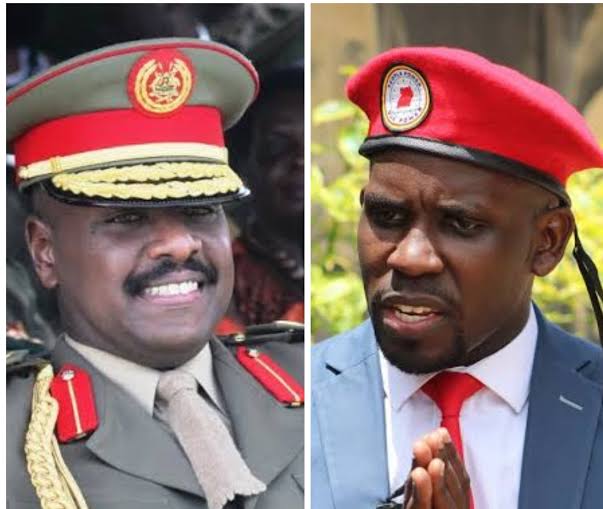
Ugandan politics was once again thrust into controversy after General Muhoozi Kainerugaba, son of President Yoweri Kaguta Museveni, posted a provocative remark about opposition leader Joel Ssenyonyi on Twitter. Known for his blunt and often divisive commentary, Muhoozi’s latest statement has triggered a wave of condemnation and reignited debates over the tone of political discourse in the country.

In his post, Muhoozi wrote: “Joel Ssenyonyi, that name. He was born to clean my pit latrine.” The comment, aimed at the National Unity Platform (NUP) figure closely allied with Bobi Wine, was widely seen as a personal and degrading attack. Critics say the remark goes beyond political rivalry, reflecting a deep contempt for opposition voices in Uganda.
Reactions were swift. Supporters of Muhoozi defended his right to speak candidly, framing the post as retaliation against persistent criticism from the opposition. However, many—including civil society figures and political commentators—denounced the statement as unbecoming of a senior military officer and potential presidential contender. Social media erupted with both condemnation and defense, illustrating the country’s deeply polarized political climate.

Bobi Wine, himself a frequent target of ruling party attacks, weighed in, with his supporters decrying what they see as a toxic political culture where insults overshadow substantive policy debate. Critics warned that such rhetoric only entrenches division and undermines efforts toward peaceful political engagement.
For Ssenyonyi, the insult is another episode in a long-running war of words with the ruling establishment. Despite repeated personal attacks, he has maintained his stance as a vocal government critic, framing such jabs as distractions from the real issues facing Ugandans.

Muhoozi’s comments underscore the entrenched hostility between Uganda’s ruling elite and the opposition. As the country moves closer to future electoral contests, the focus on personal attacks over policy risks deepening political fractures.
The exchange serves as a reminder that, in Uganda’s heated political arena, words carry weight—and can shape both public perception and the nation’s political trajectory.


When Your Heart Fears Rejection, The Sacred Wound Behind Social Anxiety
If you feel like everyone else got a manual for social connection that you never received, your sensitive soul might...


9 Quiet Heartbreaks That Make Women Walk Away
You didn’t wake up one morning and decide to leave. It wasn’t one explosive argument or a single betrayal that...


Why Being Ghosted Hurts So Much (And How to Heal Your Heart)
You know that hollow feeling when someone you cared about just… disappears. No goodbye, no explanation, not even the courtesy...


The Slow Fade: 5 Early Signs Someone Is Slowly Leaving You
You know that feeling when something shifts, but you can’t quite name it? When your partner is still there physically,...


You’re Still Heartbroken (Even If You Say You’re Fine)
You scroll past their name in your contacts at 2 AM. You say “I’m good” when your best friend asks...


Why Being Ghosted Hurts So Much (And How to Heal Your Heart)
You know that hollow feeling when someone you cared about just… disappears. No goodbye, no explanation, not even the courtesy...
The Slow Fade: 5 Early Signs Someone Is Slowly Leaving You
You know that feeling when something shifts, but you can’t quite name it? When your partner is still there physically,...


You’re Still Heartbroken (Even If You Say You’re Fine)
You scroll past their name in your contacts at 2 AM. You say “I’m good” when your best friend asks...


Psychopath vs Sociopath: 7 Signs You Need to Know
You know that feeling when something about someone just doesn’t add up? When their charm feels a little too smooth,...
The 10 Unexpected Gifts Heartbreak Quietly Gives You
You’re lying in bed at 3 a.m., chest tight, scrolling through old messages you promised yourself you’d delete. The person...