
Politics
Museveni Defends Tear Gas, Rejects Opposition Chaos in Powerful New Year Address


In his New Year message, President Yoweri Museveni strongly defended the use of tear gas by security forces, labeling it a lawful, non-lethal means of maintaining order during times of unrest. Museveni emphasized that tear gas is far less harmful than live ammunition, which he stressed must never be the first choice for crowd control. His comments come at a time when Uganda is preparing for the upcoming general elections, with heightened political tension.
“Tear gas is both legal and non-lethal; it does not kill,” Museveni declared, asserting that the priority of security agencies must be the use of non-lethal methods. He rejected claims that tear gas was being used as a tool to harm or kill protesters, and firmly stated that it was far more acceptable than the alternative of live bullets.
The President also took the opportunity to sharply criticize opposition groups, particularly Robert Kyagulanyi, the leader of the National Unity Platform (NUP). He accused Kyagulanyi of inciting chaos and spreading disorder, alleging that foreign actors were backing the opposition’s agenda. Museveni specifically referred to recent arrests of individuals who followed Kyagulanyi, claiming that they were involved in a large-scale operation intended to create a false sense of political support through staged protests.
Museveni’s message also took aim at the opposition’s tactics, accusing them of trying to destabilize the country for the benefit of foreign interests. “These actions are meant to create confusion and unrest,” he said. “But Uganda is stronger than any attempts to destabilize it.” The President warned that the government would not tolerate any attempts to provoke violence, and vowed that the state would act decisively to preserve the country’s peace.
Drawing on Uganda’s history, Museveni invoked national heroes like Karoli Lwanga and the freedom fighters of the past, using them as symbols of the nation’s resilience and unwavering commitment to stability. He reminded Ugandans that their political trajectory had always been shaped by both ideological and spiritual values, which would continue to guide the country into the future.
In addition to his strong defense of security measures, Museveni distanced himself from other forms of force, particularly the practice of corporal punishment. He condemned the use of caning by police, insisting that such methods were outdated and ineffective. “I reject the practice of beating lawbreakers; it must stop,” he declared, adding that corporal punishment should be outlawed not just in policing but also in schools and homes.
Despite the political unrest, Museveni projected confidence in the future of Uganda, citing the country’s economic growth and the upcoming production of the nation’s first oil as signs of a bright future. “Uganda is secure, and its future is bright,” he concluded, urging citizens to exercise their democratic right to vote freely in the upcoming elections.
As the political climate grows more charged, Museveni’s message called for discipline, professionalism, and respect for law enforcement, as well as an unwavering commitment to Uganda’s peace and stability. He concluded with a call for national unity and a wish for a prosperous 2026 for all Ugandans.
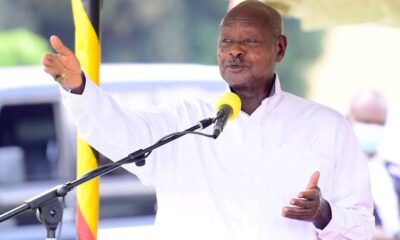

Museveni Defends Tear Gas, Rejects Opposition Chaos in Powerful New Year Address
In his New Year message, President Yoweri Museveni strongly defended the use of tear gas by security forces, labeling it...
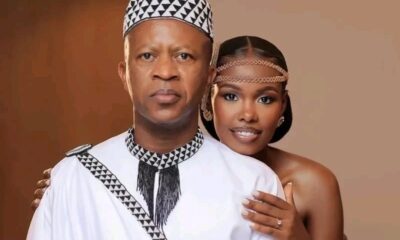

Frank Gashumba Celebrates Fatherhood: “Our Home Has Never Been This Peaceful”
Media personality and outspoken social critic Frank Gashumba has opened up about a side of his life rarely seen by...
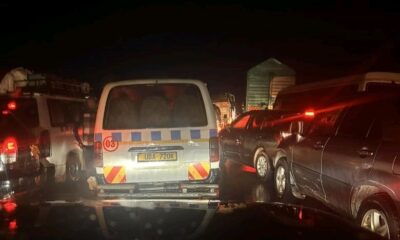

Mpigi Choked: Holiday Traffic Chaos Forces Major Route Diversions
Motorists in Mpigi faced unprecedented delays today, 30th December 2025, as heavy traffic snarled the main highway connecting Kampala and...


Shs 80 Billion Livestock Revitalization Program for Teso, Lango, and Acholi
The Ugandan government is set to invest Shs 80 billion in a groundbreaking initiative to restock livestock in the Teso,...


Man Reveals Marriage Was Crumbling from Constant Fights, But Peace Returned Unexpectedly
A man from Nairobi has revealed that his marriage was falling apart due to ongoing arguments, but peace unexpectedly returned....

Man Says Christmas Proposal Was Rejected After Years of Sponsoring Girlfriend’s Education
A man has said that his Christmas proposal ended in heartbreak after the woman he had supported for years rejected...


Mukula Breaks Silence, Defends Son’s Bid and Pledges Unshaken Loyalty to Museveni
Senior National Resistance Movement (NRM) figure Capt. Mike Mukula has strongly dismissed claims that he is working against his party,...
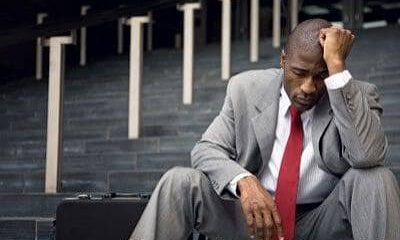

Christmas Day Betrayal, Church Devotee Says Pastor and Wife Destroyed His Trust
David was known throughout his Ugandan community as a committed and faithful member of the church. He was raised serving...


TMR International Hospital! A New Era for Healthcare in Uganda
In a groundbreaking development for Uganda’s healthcare sector, TMR International Hospital has been officially recognized as a Centre of Excellence,...
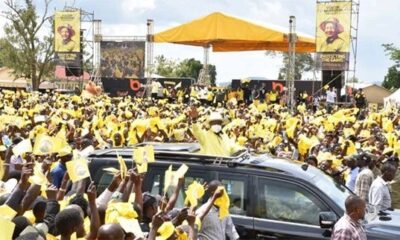

Museveni Targets Gomba: NRM Expands Its Reach in Opposition Heartland
President Yoweri Museveni has intensified his campaign efforts ahead of the 2026 elections, taking his message to Gomba District, a...